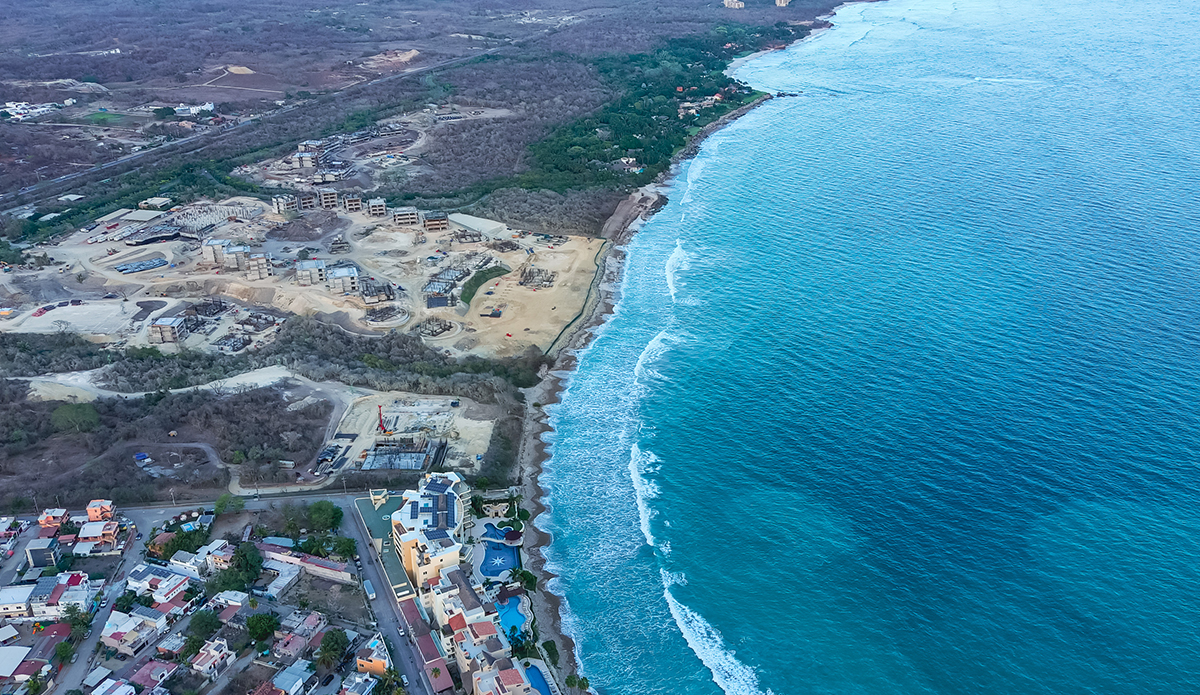

Environmentalists and surfers in Nayarit, Mexico are sounding the alarm over what they say is illegal construction on a beach near Punta Mita. Activists have traveled to Mexico City to file complaints against a developer they accuse of illegally altering the coastline, the latest incident in a decades-long battle over luxury developments that locals say are reshaping the region at their expense.
In March, developer Grupo Dine began construction on the shoreline of Playa las Cocinas, using heavy machinery to pile boulders on the beach. Activists allege the construction violates Mexican law, which designates the 20-meter strip inland from the high tide line as federal land, where construction projects require federal concessions and environmental authorization.
View this post on Instagram
While the government has since imposed a pause on the construction, the damage has already been done. Local surfer and filmmaker, Darrin Polischuk — a Canadian who has lived in the area for two decades, married into the culture, and raised two accomplished surfers — recently launched a documentary project to shine a light on the strained relationship between development and the people who live around Punta Mita.
“It’s the same playbook from the 1990s when (Grupo Dine) took over: Just do what you want, arrest the people that are protesting against it, and get political coverage for your illegal acts,” Polischuk told The Inertia on a phone call.
In 1993 and ‘94, the government removed the original inhabitants from the peninsula — some willingly with land offers, and others forcibly — to make room for luxury resorts and communities. Most of the locals were moved into a new village further to the east, Corral del Risco. In the vacant lots, developers built resorts like the Four Seasons, and a golf course, the runoff from which many blame for killing coral reefs.
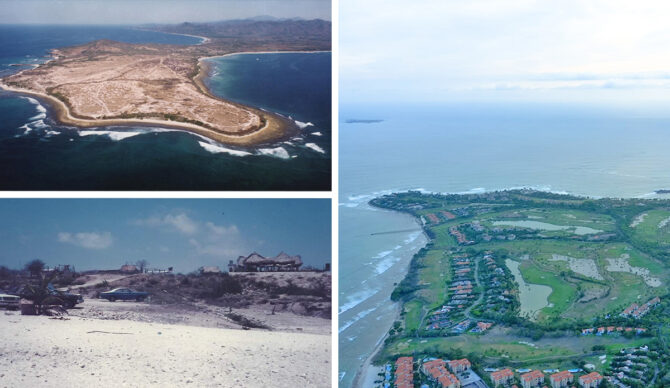
Over the following decades, much of the land in the surrounding areas was privatized. Today, there are only a few public access points for the beaches and surf spots.
Through the documentary, called The Line, or La Línea in Spanish, Polischuk plans to revisit this history and highlight the contrast in Punta Mita between wealth and poverty, private and public land. He says others have been hesitant to tell the story because of intimidation. Several months ago, one local activist narrowly survived an assassination attempt.
“(The locals) are pissed about being disrespected in relation to the large development,” Polischuk said.
“The main leader behind the group, Efraín, my neighbor, you’re talking to him, looking at some old photographs, and he’s crying,” Polischuk added. “There’s a lot of pent-up trauma about having their lives taken from them 30 years ago.”
While returning the land to its pre-1990s state may not be realistic, activists are demanding investigations into companies that knowingly break development laws in anticipation of paying off government officials. They want the law to be respected, with proper environmental studies before construction takes place in fragile ecosystems.
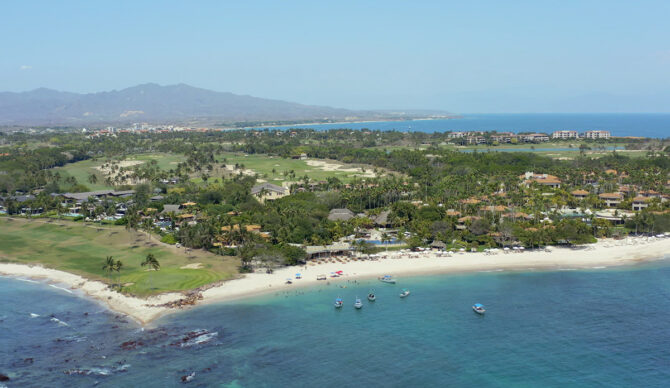
Ironically, many of the displaced families now rely on the luxury tourism economy built on top of their plots.
“Those families have boat companies now, and they shuffle people out to surf two waves (on private land),” said Polischuk. “So you’re living within these contradictions. Everybody knows property managers, people who have restaurants that benefit. The system is singularly focused on private luxury developments and closing off beach access; that’s the model. There’s no flexibility.”
Polischuk believes people who buy luxury homes or vacation at Punta Mita’s resorts should understand the peninsula’s history. Some, he said, have even joined protests against developers. But many affluent residents and visitors hesitate to speak out for fear of being “ostracized from their country club.”
Polischuk hopes the documentary will do more than solely highlight one dispute in Punta Mita. He sees it as an example of the global tensions between luxury coastal development and the communities that have lived on those shorelines for generations — a pattern he sees playing out from Albania to Indonesia.
I want to “create another layer about the potential impacts — a more nuanced conversation about coastal development: Who’s it for, who wins, who loses?” Polischuk said. “When (buyers) go condo shopping here, (they should) understand, this is stolen land, these guys act with total disregard to the thousands of years of land usage.”