
The chances of a particularly strong El Niño in 2026 are high, and agencies from the National Oceanic and Atmospheric Administration (NOAA) and the United Nations (U.N.) to the World Meteorological Organization (WMO) are warning the world to be ready for it.
“We need to prepare for a potentially strong El Nino event – which will exacerbate drought and heavy rainfall and increase the risk of heatwaves both on land and in the ocean,” said WMO Secretary-General Celeste Saulo.
El Niño, which is a naturally occurring part of the global climate cycle, is driven by a few things: tropical trade winds weaken, which lets all that warm water in the western Pacific move eastward, effectively stopping the cold water in the depths of the eastern Pacific from welling upwards. That results in warmer-than-average sea surface temperatures, which turns into hot spells in some parts of the world and incredibly wet spells in others. And this year looks like it’s going to be a real doozy of an El Niño.
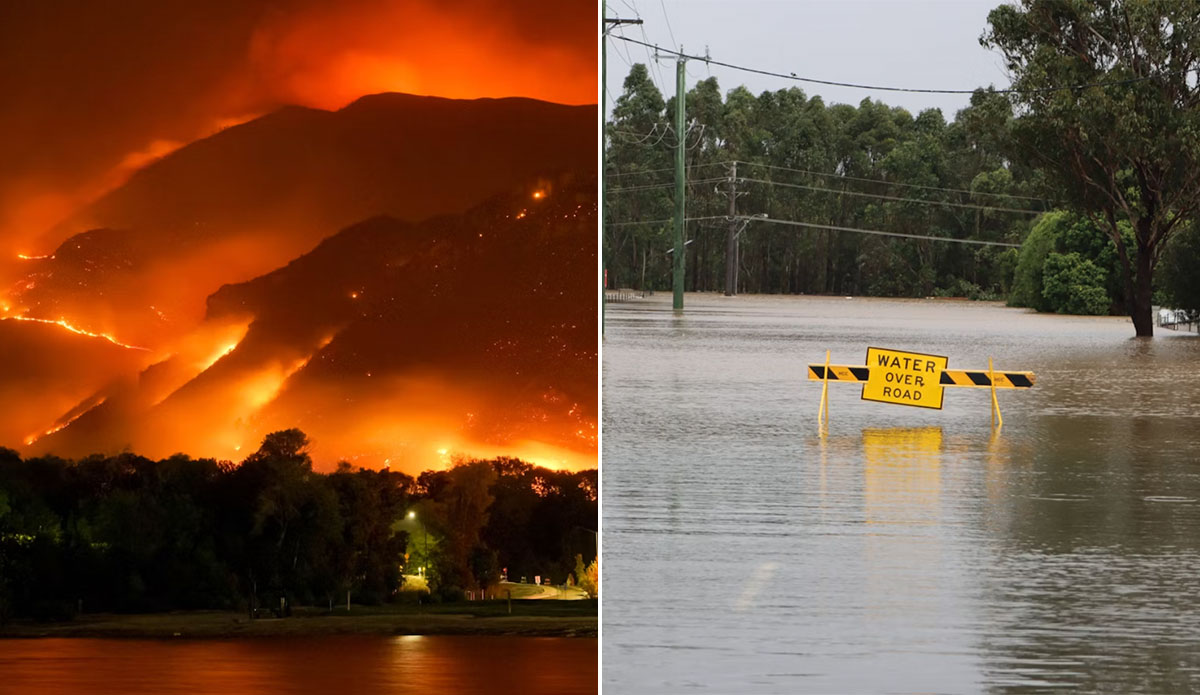
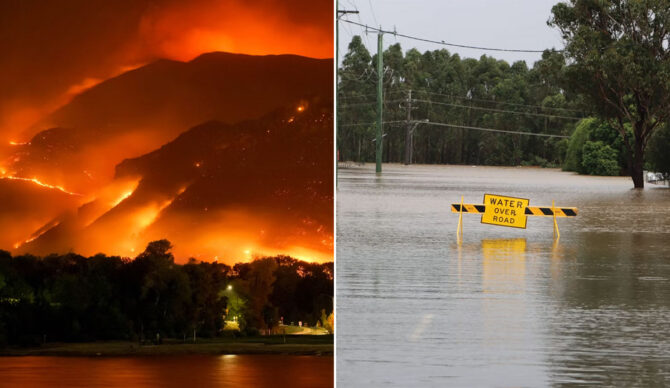
“The weather pattern is known to disrupt regional climates, potentially bringing warmer temperatures across the globe, while increasing rainfall to the southern parts of South America and the United States, parts of the Horn of Africa and central Asia,” Reuters reported. “El Niño can also cause drought in Australia, Central America, Indonesia, and parts of south Asia, and spur hurricane formation in the central and eastern Pacific.”
You may remember the last El Niño, which occurred in 2023 to 2024. That played a starring role in making 2024 the hottest year on record. According to the WMO, it was about 1.55°C above pre-industrial level.
It’s not just the fact that places will flood more, wildfires will burn bigger, and temperatures will skyrocket. It’s the knock on effects that those things have on nearly every facet of our lives, from agriculture to the spread of diseases by things like mosquitos and ticks.
“Communities that were already struggling will be pushed farther beyond their limits,” Saulo said.
The WMO is more circumspect but said it had observed unusually warm subsurface conditions across the tropical Pacific with temperatures exceeding six degrees Celsius (10.8 degrees Fahrenheit) above average, creating a “reservoir of heat that is driving surface warming.”
The Secretary-General of the U.N, António Guterres, said that it’s a stark reminder that we need to shift away from fossil fuels as soon as possible.
“The world must treat it as the urgent climate warning it is,” he said. “El Niño conditions will pour fuel on the fire of a warming world.”