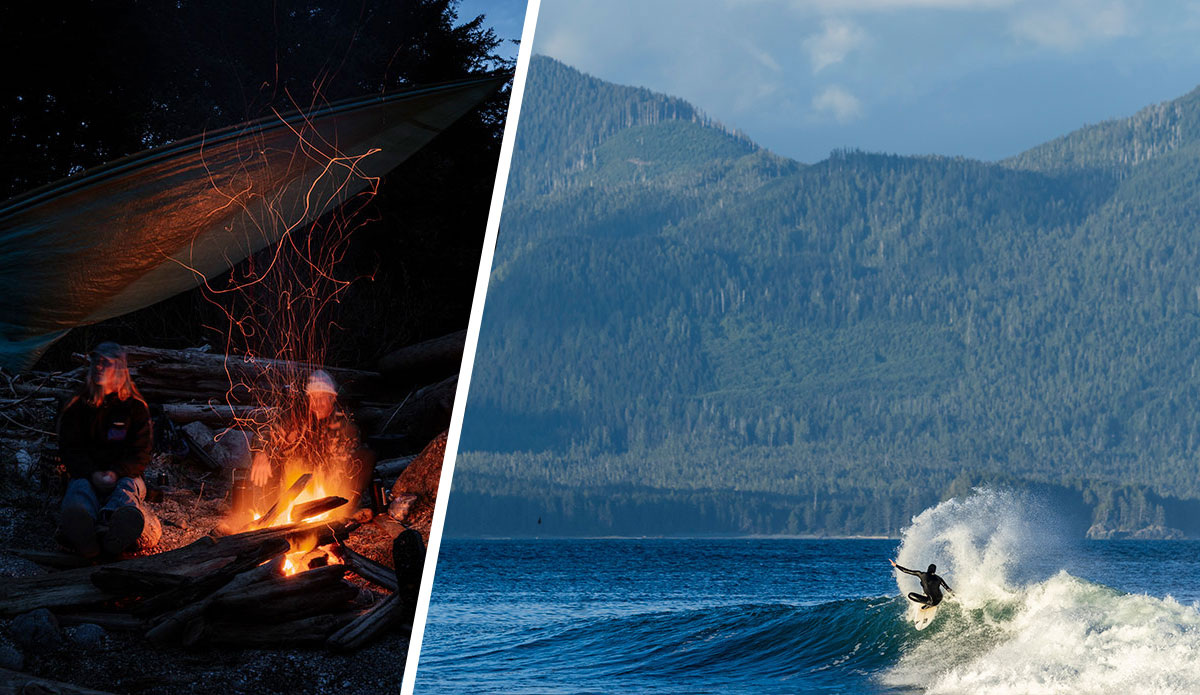

People who don’t surf on Vancouver Island in the summer often imagine it goes one of two ways. Either they assume there’s no surf at all, or they picture empty Canadian perfection waiting just around the next headland.
A boat ride, a hidden point, and flawless waves with nobody around. The truth sits somewhere in the middle.
Canadian summers probably demand the most from surfers here. Not because the waves are great, but because every session has to be earned. The process usually starts days before anyone gets in the water. Forecasts get refreshed far too many times. Wind models change at a moments notice. There are huge tide swings. And a slight change in swell direction or period can completely alter the outcome. Sometimes the call is obvious. More often, it’s educated guesswork.
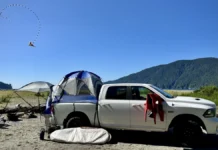
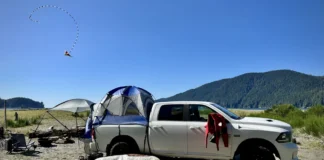
Then comes the mission. Boats loaded. Fuel cans. Camping gear. Food for a few days. Surfboards, camera gear, wetsuits, dry bags, and the usual collection of gear that somehow multiplies every trip. Depending on where you’re headed, the adventure might involve pounding through wind chop for hours, hiking over muddy headlands, or carrying everything across beaches and through the forest before you even see the ocean.
And sometimes you arrive to flat water. That’s part of it. Other times, the forecast comes together just enough to remind you why you keep making the effort. A clean swell wraps into an otherwise quiet stretch of coastline, and suddenly all those hours spent planning, packing, hiking, and bouncing around in the boat make perfect sense.
Of course, you’re probably not the only one who noticed the forecast. One misconception about remote surfing is that distance automatically equals solitude. It can. But if a swell is obvious, chances are plenty that other people had the same idea. The reality is that some of Vancouver Island’s better summer setups can get surprisingly busy. Not in the same way as local beachbreaks, but crowded enough that everyone needs to work together for the trip to be enjoyable.
Thankfully, that’s something that much of the Canadian surf community has become pretty good at. There’s an unspoken rhythm that develops on these trips. People spend an hour or two in the water, then come in to warm up, eat lunch, swap stories, or relax around camp while another group paddles out. Nobody announces shift changes. It just happens naturally. I’ve always appreciated that. Instead of everyone scrambling for every wave from sunrise to sunset, people recognize that everyone has invested the same amount of effort to get there. Sharing the lineup means everyone gets their session, and the atmosphere stays remarkably friendly, considering how much work it took to get there.
In many ways, camping becomes just as memorable as the surfing. Long evenings around a fire. Drying wetsuits that never seem to fully dry. Coffee overlooking the ocean before the first light hits the water. Considering the forecast one last time before deciding whether to paddle out now or wait for the tide to change. Sometimes the conversations last longer than the swell.
Then there are the small victories that only cold-water surfers truly appreciate. After months of winter rubber, summer finally lets you peel back a layer or two. The five-mil gets pushed to the back of the closet. Out comes the hooded four-three. Gloves disappear. On warmer stretches, even the hood stays off. Every pound of neoprene you leave behind somehow makes the ocean feel a little more forgiving around here. You’ll still hear the occasional hipster claiming they’re surfing without booties, but I’ll happily leave that to someone else.
What I enjoy most about Canadian summers isn’t necessarily the quality of the waves. Winter still delivers our biggest swells and most consistent surf, but summer offers something different. It encourages more exploration. It’s easy to fall into routines. Surf the same beach. Park in the same spot. Paddle out with the same crew. But summer opens doors to parts of the coastline that spend much of the year either inaccessible or simply overlooked. Not very mission ends with perfect surf. In fact, many don’t.
Some end with lots of hiking and a few average waves, with a long drive home wondering if it was worth it. Usually, by the next long-range forecast, you’re already planning another mission. Because somewhere along this coastline is another bay, another reef, another point waiting for the right combination of swell, wind, and tide. Maybe you’ll score it. Maybe you’ll share it with a handful of friends. Maybe you’ll spend more time around the campfire than in the water. Either way, it’s rarely easy. It’s almost never convenient. But when everything finally comes together, you’ve earned every wave.
See more from Marcus Paladino at MarcusPaladino.com