
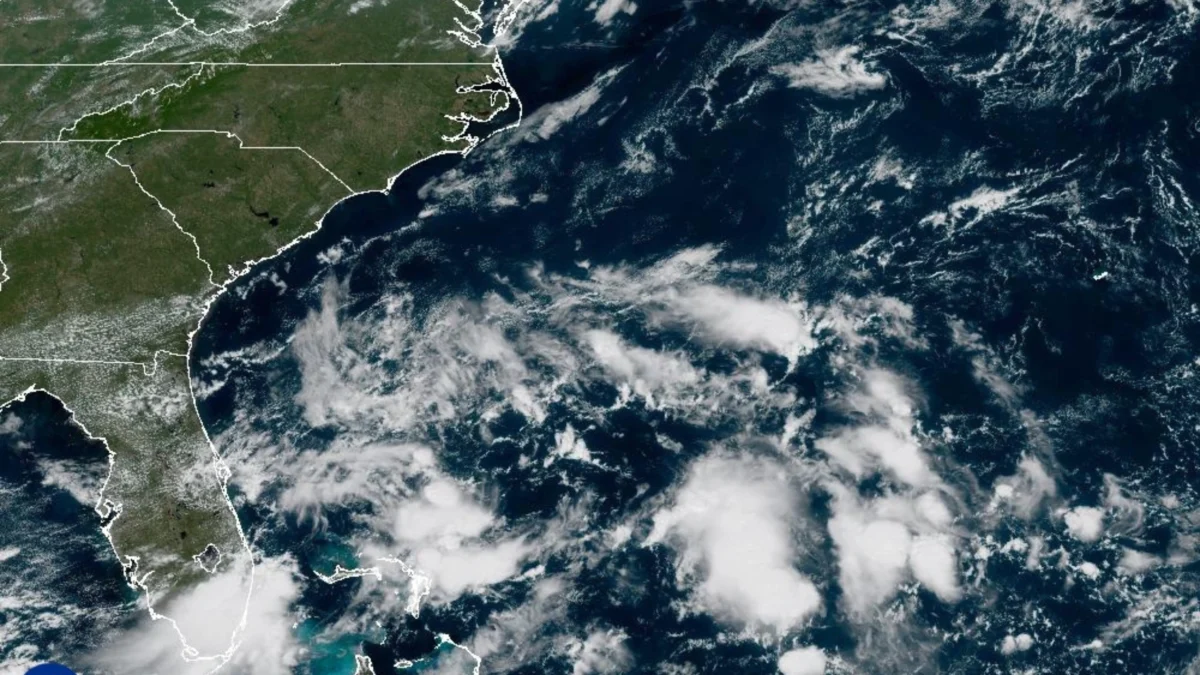
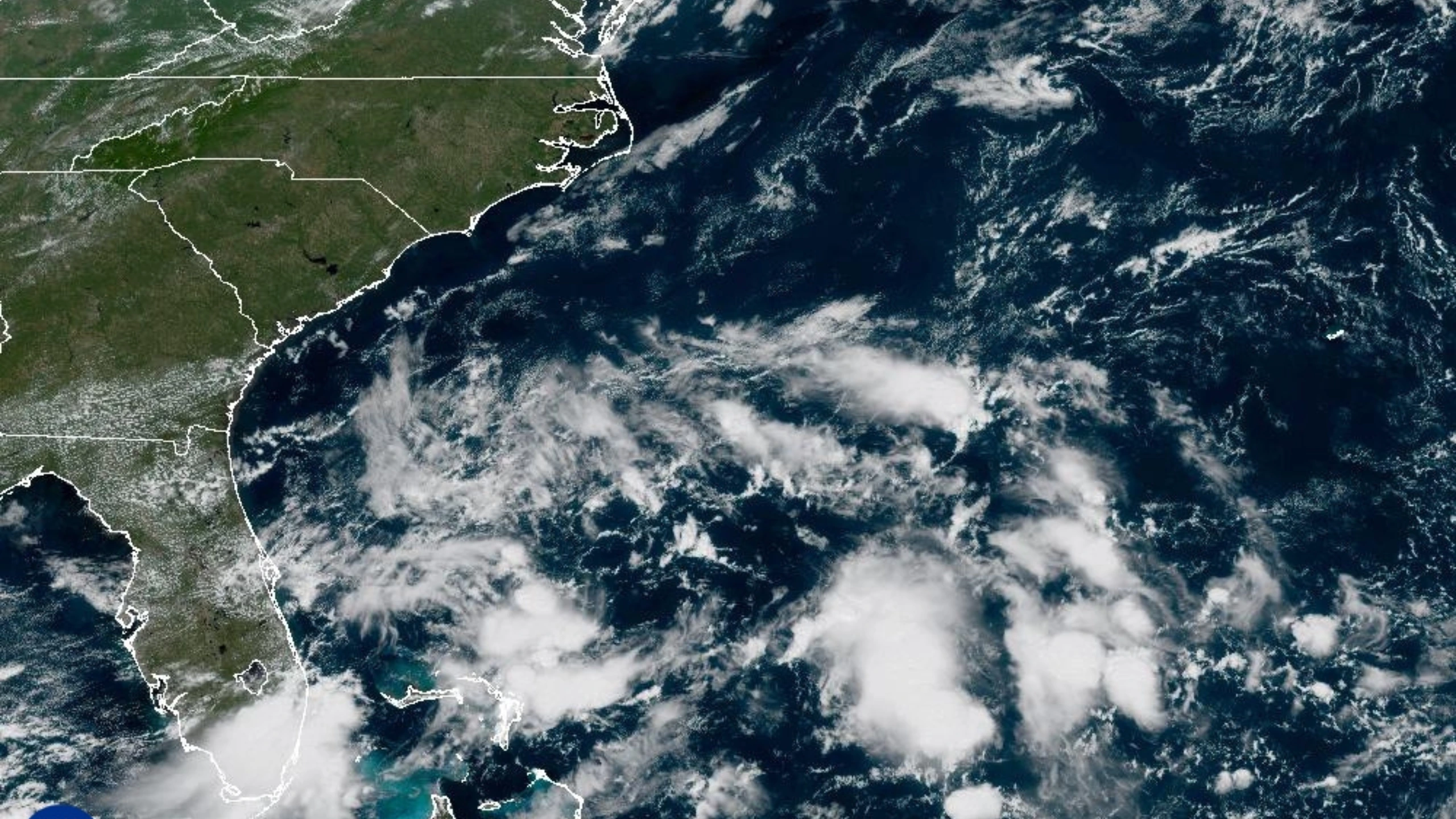

On September 12, the Atlantic Ocean broke a 60-year-old record for the latest date without a hurricane in the satellite era. Those last few words signify an important distinction because the satellite era began in 1966. But the Atlantic is also closing in on another record that takes us back to 1941, when an unnamed storm reached hurricane status on September 19. That storm actually didn’t develop into a hurricane until September 21, 1941, though, according to AccuWeather.
So, one record down and another closing in fast through what’s been a calm Atlantic Hurricane Season. That’s another strong swing from one end of the spectrum to the other for surfers and residents in the region. Storms can obviously bring life-altering chaos when they make landfall, but they also mean waves up and down the Atlantic Coast and throughout the Gulf this time of year. The 2020 Atlantic Hurricane Season saw a record 30 tropical cyclones, which ran the gauntlet of storm names for that year and forced meteorologists to start using the Greek alphabet for just the second time in history. There were 20 named storms just a few years later, in 2023, as an El Niño formed. And last year, the region saw a record 15 hurricanes.
But back to the present. Has there ever been an entire season that passed without a hurricane forming over the Atlantic? That actually has happened, according to AccuWeather, in 1914 and 1907.
All of this, of course, is happening during a strong El Niño event this year. That typically translates to a less active hurricane season in the Atlantic, which experiences drier air through the region and strong upper-level wind shear. The NOAA said in early August that between two and six named storms could develop into hurricane strength over the basin – with a 75 percent chance this season would be considered “below normal” by the time hurricane season wraps up November 30.
“When El Niño emerges, it usually becomes the dominant factor in total hurricane season activity, and this El Niño continues to get stronger every month,” said Matt Rosencrans, lead hurricane season forecaster with NOAA’s National Weather Service. “Compared to a mature El Niño, other mechanisms play a smaller role in determining the number and intensity of tropical storms in the Atlantic basin.”